Toxic sulfide Mining Near the BWCA
Foreign mining conglomerates are trying to open toxic copper-sulfide mines near the Boundary Waters and Lake Superior. With your help, we’ve stopped these mines from opening and from polluting some of the cleanest water in the country. But the powerful interests continue to threaten our clean water.


Prove It First: Commonsense Protection For The Boundary Waters & Lake Superior
Minnesota is not a Guinea Pig. Before foreign mining companies put a shovel in the ground they need to PROVE they won’t pollute.
Toxic Mining Near the BWCA
Sulfide mining is the process of extracting trace amounts of copper, nickel and other metals from sulfide-bearing ores.
This produces sulfuric acid. Which is the same as battery acid.
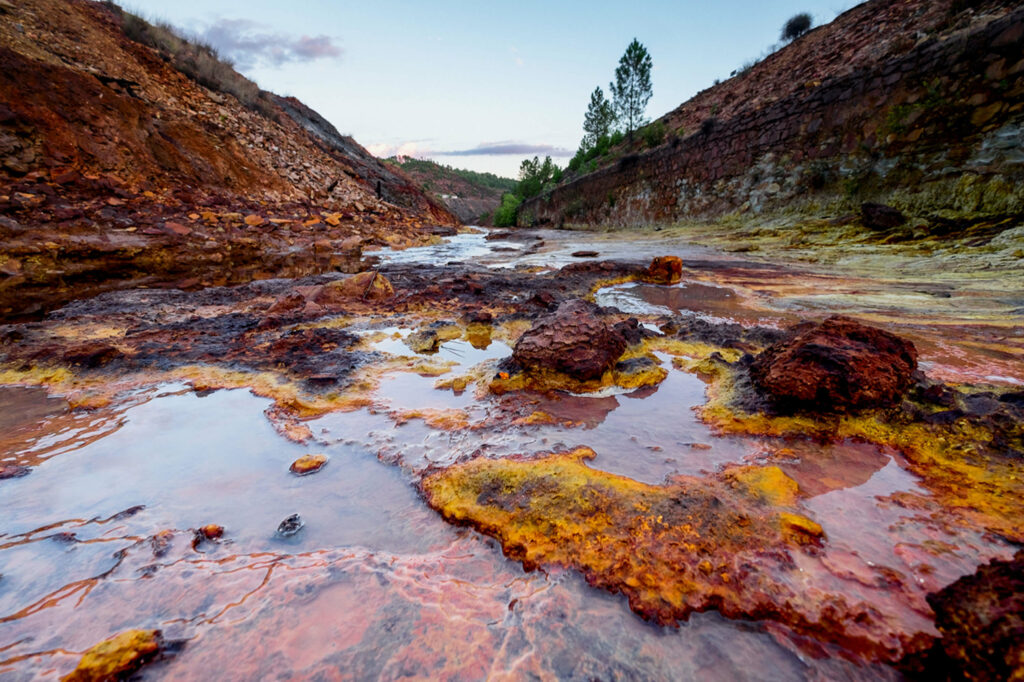
In addition to acidifying lakes and rivers, sulfuric acid leaches out heavy metals such as mercury, lead, arsenic and other toxins from the rock to produce acid mine drainage. This type of mining is so toxic that there has never been a sulfide mine that has not contaminated surrounding water sources.
It’s all but guaranteed that acid mine drainage from these mines will contaminate the Boundary Waters and cause irreparable damage to northern Minnesota. We must stop this environmental catastrophe before it happens.

Why is Copper-Sulfide Mining Such a Threat?
Copper-sulfide mining, which is much more toxic than Minnesota’s traditional form of iron mining, has never been done in the state. According to the EPA, sulfide mining is part of the most toxic industry in the country.
Pollution from sulfide mining is nearly impossible to contain and can last for hundreds, even thousands of years. In fact, each day over 50 million gallons of contaminated waste water spills from closed or abandoned mines throughout the United States.
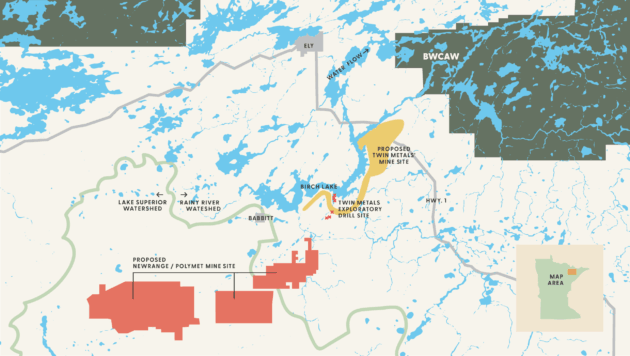
The sheer amount of water in northern Minnesota makes the Boundary Waters and Lake Superior particularly vulnerable to the dangers of PolyMet and Twin Metals.
The clean water and seemingly endless waterways that make so many people treasure this area would also amplify the effects of acid mine drainage.
The pollution produced by these mines would not stay contained in one localized area. As water moves, the streams and lakes and rivers would act as a conveyor belt that would spread the pollution over millions of acres.
You can stop this from happening.
Science of copper-nickel mining in Minnesota
The fundamental danger of copper-nickel mining around the BWCA has to do with the fact that the ore contains a minute amount of copper and nickel. It’s not 50% copper, or 25% copper, not 10% copper or even 5% copper. Less than 1% of the ore body contains anything of value.
Because of this, an enormous amount of rock needs to be crushed and pulverized to extract small amount of copper and nickel.
This requires a huge amount of energy and would create a huge amount of waste rock.
This is where the real danger comes in.
When these sulfide-bearing ores are crushed and exposed to water or oxygen, they create a chemical reaction that produces sulfuric acid. Which is the same as battery acid. This is similar to how iron produces rust when exposed to oxygen or water, only much more hazardous.
It was never a question of if, but when this mine would pollute.
Speak Up for Clean Water
Friends of the Boundary Waters Wilderness has introduced a Prove It First bill into the Minnesota legislature. If signed into law, it would stop Twin Metals and other dangerous mines from polluting our water.
This common-sense piece of legislation is simple. Before a copper-sulfide mine could be permitted in Minnesota, there must be independent proof that a similar mine has operated for at least ten years without causing pollution and that a mine has been closed for at least ten years without causing pollution.
Learn more about the mining proposals

Twin Metals
The victory over Twin Metals’ copper-sulfide mine, which could have contaminated over two million acres of pristine water throughout the BWCA, Quetico and Voyageurs National Park, is an incredible story, and helps us understand the challenges ahead.

PolyMet
PolyMet is the snowplow leading to other copper-sulfide mines near the BWCA. Though we have won astonishing victories against this dangerous project, the fight for environmental justice is far from over.
Teck’s Mega Mine
The most recent threat to emerge, the proposed joint venture between Teck and PolyMet would impact two watersheds and potentially pollute both the Boundary Waters and Lake Superior. Learn more about what we are doing to stop this dangerous project.
The Boundary Waters needs champions.
Take action to protect our clean water.


Twin Metals
Located at the edge of the Boundary Waters and owned by the Chilean-mining conglomerate Antofagasta, this toxic mine would be all but guaranteed to pollute America’s most popular Wilderness Area. With your help, we have stopped this toxic mine, but there is still work to be done!

PolyMet
Further along than Twin Metals, PolyMet is the snowplow leading to other copper-sulfide mines near the BWCA. Though we have won astonishing victories against this dangerous project, the fight for environmental justice is far from over.

Our Work to Preserve the BWCA
Though the Boundary Waters is federally protected, it faces numerous threats. It depends on the work of people like you to keep it wild. Learn more about our work to keep the Boundary Waters wild for this and future generations.