The Roadless Rule and the Boundary Waters: What's at Stake
For 25 years, one rule has quietly kept the wildest corners of our national forests wild.
The Roadless Area Conservation Rule, finalized in 2001, protects 45 million acres of National Forest System land from new road construction and large-scale logging. It doesn’t lock the land away. Hunters, anglers, paddlers, and hikers use these forests every day. Land managers can still do responsible management, including wildfire prevention work. The rule simply says that the last undeveloped stretches of our public forests should stay that way.
Now the federal government wants to erase it entirely.
What’s happening with the Roadless Rule
For the past year, the administration has been working to rescind the Roadless Rule despite overwhelming public opposition. On August 18, the USDA released a Draft Environmental Impact Statement proposing to strike the rule from the books. No modifications. No carve-outs. Full rescission.
We are now in an open public comment period, and the clock is running. Comments are due September 21.
What Minnesota stands to lose
In Minnesota, 62,000 acres of the Superior National Forest fall under Roadless Rule protections — undeveloped forest that sits alongside the Boundary Waters Canoe Area Wilderness and shares its watershed, its wildlife, and its character.
These areas provide critical habitat for the Canada lynx, one of the Northwoods’ most elusive residents. Lynx need large, unbroken tracts of forest to hunt and den. Roads fragment that habitat. Once a road goes in, the wild character of a place rarely comes back.
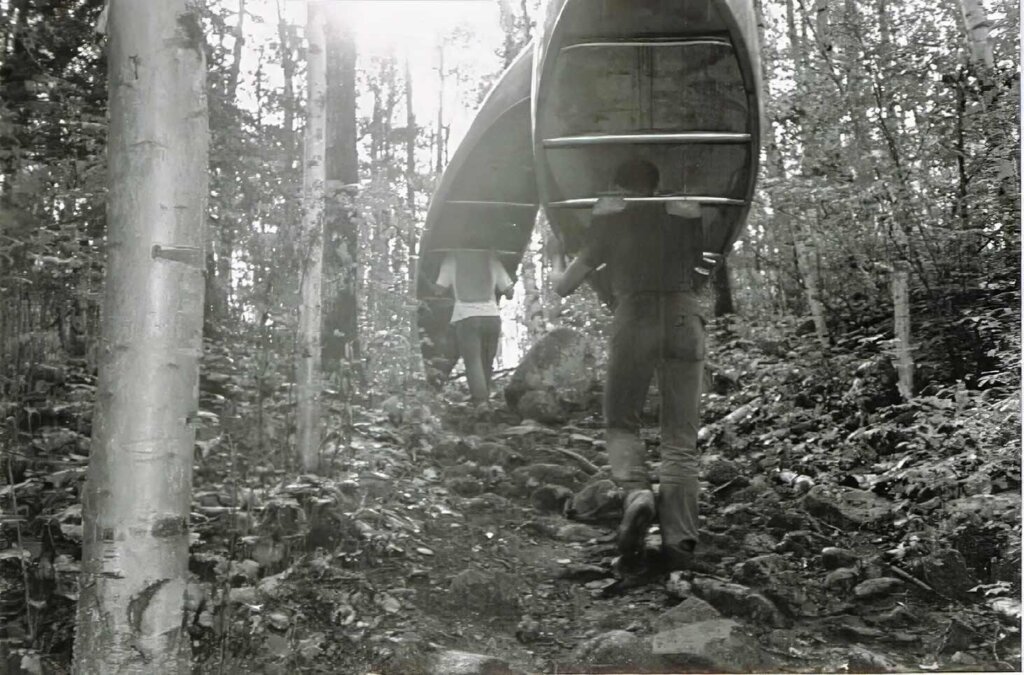
Roadless areas also protect something even more fundamental: clean water. Undeveloped forest filters rain and snowmelt before it ever reaches a lake or stream. In a landscape defined by water, where water from the Superior National Forest flows into the Boundary Waters, that protection isn’t abstract. It’s the reason many will dip a cup over the side of their canoe and drink straight from the lake.
A rule built the right way
The Roadless Rule came out of one of the most robust public processes in the history of federal rulemaking, with hundreds of public hearings and millions of comments. The public asked for these protections, overwhelmingly, and the public has defended them at every challenge since.
The rule saves taxpayers money, too. The Forest Service already maintains hundreds of thousands of miles of roads with a maintenance backlog it can’t afford. Building new roads into remote forest means new costs, borne by all of us, to open up land most Americans want left alone.
Make your voice heard
This is a proposal, not a final decision. The Forest Service is legally required to consider public comments before it acts. And comments from people who know and love these forests carry real weight.
You have until September 21 to weigh in.
Take action: Submit a comment today. File online at regulations.gov under docket FS-2025-0001. Tell the Forest Service that the Roadless Rule works, that Minnesotans want the Superior National Forest’s wild places protected, and that rescinding 25 years of protection is the wrong direction for our forests, our water, and our wildlife.
Make a Comment
- Visit the Roadless Rule Comment Webpage
- Write a comment or use the text below to copy and paste and personalize it.
- Submit as an Individual
- Email optional or anonymous
Write a comment or copy/Paste from below
Re: Proposed rescission of the Roadless Area Conservation Rule (Docket FS-2025-0001)
I am writing to oppose the proposed rescission of the 2001 Roadless Area Conservation Rule.
For 25 years, this rule has protected 45 million acres of National Forest System land from new road construction and large-scale logging, while still allowing recreation and responsible forest management, including wildfire prevention. It was created through one of the most extensive public processes in federal rulemaking history, and the public has supported it overwhelmingly ever since.
In Minnesota, 62,000 acres of the Superior National Forest are protected under this rule. These roadless areas border the Boundary Waters Canoe Area Wilderness and safeguard the clean water, intact forests, and critical wildlife habitat — including habitat for the threatened Canada lynx — that define this landscape. Building roads into these areas would fragment habitat, threaten water quality in one of America’s most treasured wilderness watersheds, and add costly new road maintenance obligations to a Forest Service road system that is already underfunded.
The Roadless Rule works. Rescinding it would undo a quarter century of protection that the American public asked for and continues to support. I urge the Forest Service to withdraw this proposal and keep the 2001 Roadless Rule fully in place.

The wildest places we have are the ones we can never get back. Speak up for them.
Continue Reading
Tell the Army Corps to Reject NewRange-Polymet Wetlands Permit
Voice your concerns about the NewRange-Polymet wetlands permit in Minnesota, and protect the environment from polluting projects.
Governor Walz Just Gave the Boundary Waters Its Strongest Statewide Protection, Ever
Learn about Governor Walz's Executive Order and its impact on preserving Boundary Waters amidst recent mining and fire threats.
A Redesign Is Not A Fix: What NewRange’s PolyMet Mine Plan Changes Really Mean
NewRange's PolyMet mine plan changes move tailings and boost ore output. Why the NorthMet redesign demands a full new environmental…