The Summer the Kids Went Anyway
A funding cut in May. Wildfires in July.
Hundreds of Minnesota students went north, regardless
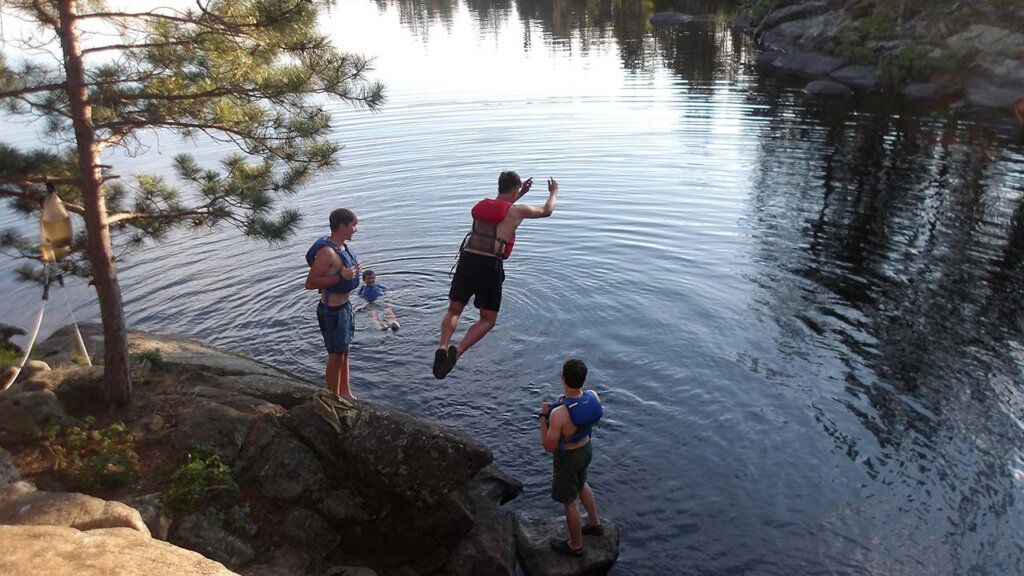
By any reasonable measure, this was the summer No Boundaries to the Boundary Waters, our education program designed to bring underserved kids into the BWCA, should not have happened.
In May, as retaliation for our advocacy against copper-sulfide mining,the Minnesota Senate narrowly voted to strip $1.2 million from the program. This cut it from a list of conservation projects funded by the Environment and Natural Resources Trust Fund.
Then the fires erupted and forced the Boundary Waters to close.
For weeks in July, the routes our students had been planning to visit since the fall were off limits. Entry points were shut and large areas were closed. Outfitters reshuffled. Our staff spent hectic weeks on the phone with partners, rebuilding trips that had taken the better part of a year to plan.
The kids went anyway.
In early July, days before the closure, six recent high school graduates from the CLUES YA! program — the Latino-led nonprofit we have been working with for six years now — got five days in the actual Boundary Waters
They paddled to Hegman Lake and stood under the pictographs. They hiked to Dry Falls and swam in the pool beneath it. They ate a picnic lunch and had ice cream in Ely, slept at the International Wolf Center, caught a sunset paddle on Fall Lake, braved a nighttime swarm of mosquitoes, and went stargazing on the beach afterward.
“Be open to trying new things and being a little uncomfortable,” one participant advised future groups. “The best experiences and memories come right out of your comfort zone.” Another put it more simply: it was the best week of their life.
After the fires forced the Forest Service to close the Wilderness, the question pivoted to where kids could paddle.
Two groups pivoted to Voyageurs National Park the same week. Eighteen students from Harding Senior High School’s Earth Club spent five days paddling, swimming, catching and cooking fish, and playing cards. It was as if their biology class had relocated to the northwoods.
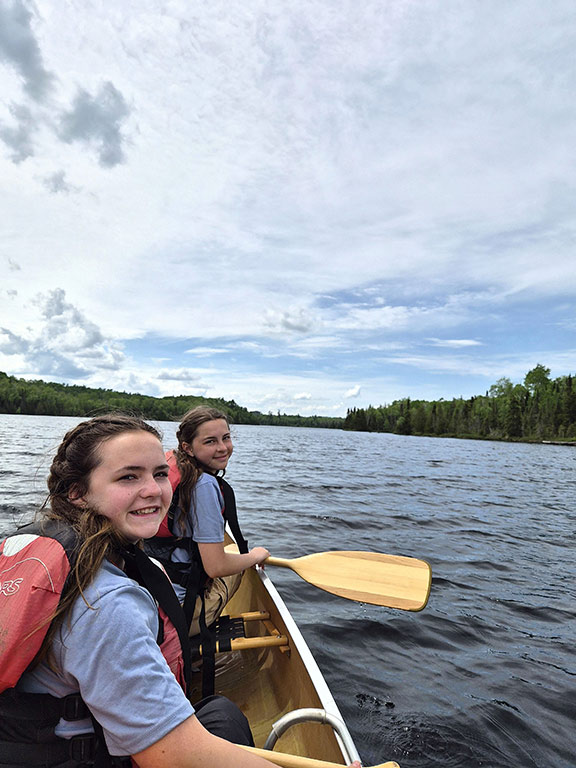
Eight students from Nashwauk-Keewatin School went out on the same day, also venturing into Voyageurs National Park. Most had never camped. “Several students had little to no camping or canoeing experience and were very apprehensive about this trip,” their chaperone wrote. “By the end, they all wished they had more days on trail.” One eleventh grader’s favorite part happened after dinner: everyone gathered at the hammock, sitting and talking and getting to know each other all night.
The fires made for some interesting encounters.
On August 2, in Ely, our staff arrived at Semer’s Park to run a pre-trip workshop with Ely Community Resources and found they had company. A newly arrived hotshot crew, pulled in with firefighters from around the country. The firefighters were there for the same reason, to learn how to paddle and portage before heading into the Boundary Waters. The main difference was that they were headed in to fight the fires.
The kids worked on packing and knot tying. The advanced group drew up a route with ambitious goals — as many winding streams and rivers as they could string into one loop. Two crews on one beach, learning the same skills for very different reasons.
By the end of the summer, a total of 209 kids were able to go out and have a Boundary Waters-like experience. Every group who had worked on wilderness skills and planned to spend the night under the stars were able to do so, in some capacity. The funding cuts and fires forced our staff and partners to think fast and act fast. We are lucky to work with outfitters and organization that are committed to introducing kids of all backgrounds to the wonders of the wilderness.
And we are lucky to have donors who held the door open after a handful of legislators tried to slam the door shut on the program. The results are clear: Neither fire nor funding stopped a single kid from getting on the water.
Continue Reading
Learning the Ways of Manoomin
Students discover the significance of Manoomin and learn about the efforts to restore wild rice beds in Minnesota's estuaries.
Announcing the Friends’ 2026 Photo Contest
Got a great shot from the Boundary Waters? Enter our annual photo contest for a chance to win one of…
Tell the Army Corps to Reject NewRange-Polymet Wetlands Permit
Voice your concerns about the NewRange-Polymet wetlands permit in Minnesota, and protect the environment from polluting projects.