A Redesign Is Not A Fix: What NewRange’s PolyMet Mine Plan Changes Really Mean
On July 29, 2026, NewRange Copper Nickel — the company formerly known as PolyMet —notified Minnesota DNR of proposed changes to its mine plan near Hoyt Lakes. This is the plan the state already reviewed for twelve years. This is the plan the state already permitted in 2018, and that courts rejected. Now the company itself says it needs to be redrawn.
What NewRange is proposing for the NorthMet mine
The changes are not cosmetic. NewRange wants to reconfigure the layout of the mining and processing areas, increase ore production from roughly 32,000 to 40,000 tons per day, and shorten the mine’s life from 20 years to 16 yearsIt would move ore along an eight-mile covered conveyor instead of by rail.
Perhaps most significantly, it would abandon the plan to store waste in the old LTV Steel taconite tailings basin in favor of dumping tailings into pits left behind by iron mining on adjacent land.
That last one matters most. The tailings basin was the single most-litigated, most-scrutinized, most-defended piece of this entire project. Now the company wants to put its waste somewhere else entirely.
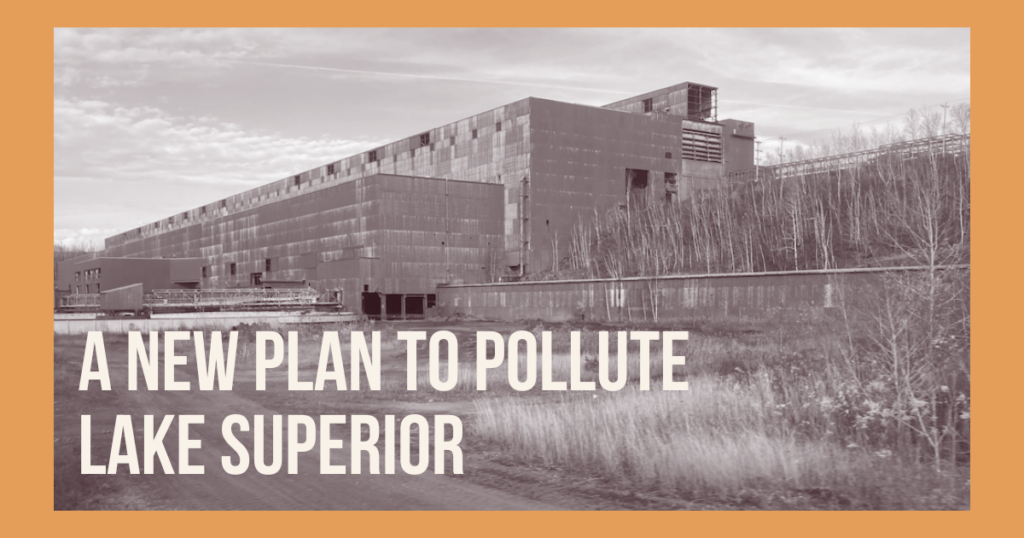
PolyMet’s mine plan changes are an admission, not an improvement
None of this came out of nowhere. In August 2024, NewRange announced four key studies to reconsider key aspects of its mine design. That November, the DNR suspended its review of the company’s permit to mine rather than issue an opinion on a design that might never materialize. Then came the deadlines, and the extensions, and more extensions.
Nearly two years later, we finally know what the company came up with. NewRange calls these result “enhancements.” In actuality, these amount to an admission that the original plan was so deeply flawed it should never have been permitted in the first place.
Minnesota taxpayers already paid to defend the old plan
Here’s the part that should make every Minnesotan angry. The Minnesota Pollution Control Agency and DNR spent years and millions of public dollars defending permits for a project the company now concedes must be redesigned. Courts blocked key permits. The EPA determined there were no conditions under which the mine could comply with the Fond du Lac Band of Lake Superior Chippewa‘s water quality standards. State agencies kept defending it anyway.
The underlying problem has not changed.
Copper-sulfide mining has a perfect track record of pollution. Moving sulfide waste from one hole in the ground to another does not fix the problem. The risk of acid mine drainage flowing into the St. Louis River, through downstream communities, and into Lake Superior is as real as it ever was.
Will DNR require a new environmental review?
The DNR has said it will decide within about a month whether the NorthMet redesign requires a Supplemental Environmental Impact Statement. That decision is expected in late August 2026.
Note that NewRange has asked for a supplemental review itself, while simultaneously filing a new Clean Water Act Section 404 wetlands application with the Army Corps of Engineers. That is not a company inviting scrutiny. That is a company trying to define the amount of scrutiny it gets.
A fundamentally different mine deserves a fundamentally new look. It requires a broad, independent review of the whole project, not a supplement scoped to whatever the company finds convenient.
You have a voice in this matter.
Tell the Minnesota DNR that this mine plan needs a new environmental review.
It takes two minutes, and the agency is deciding right now.
Continue Reading

Announcing the Friends’ 2026 Photo Contest
Got a great shot from the Boundary Waters? Enter our annual photo contest for a chance to win one of…
Tell the Army Corps to Reject NewRange-Polymet Wetlands Permit
Voice your concerns about the NewRange-Polymet wetlands permit in Minnesota, and protect the environment from polluting projects.

The Roadless Rule and the Boundary Waters: What's at Stake
The federal government wants to rescind the Roadless Rule, stripping protections from 45 million acres of national forest — including…